





Cooling off period
A 'cooling off period' is a length of time during which the purchaser of goods or services has the right to cancel the purchase and obtain a refund.
The Consumer Rights Directive came into force in 2014, to clarify cancellation rights. It harmonised the cooling off period for goods and services sold by distance or off-premises to 14 days from the date of delivery. This means that a purchaser is able to cancel and get a refund within 14 days if they arranged the purchase by phone, online, by mail order or somewhere else outside their business.
It also makes certain contracts void in circumstances where the contract has been made in the purchaser’s home or place of business and a cooling off period has not been given. If a business does not provide details of how to cancel, the cooling off period is extended by 14 days from the date on which they are eventually received.
However, a purchaser does not automatically get a cooling off period if they have requested something that needs to be specially-made, such as windows, or if it relates to urgent repairs or maintenance.
For goods that are ordered, the cooling off period begins:
- The day after the delivery is made, if a single item (or several items delivered in one go) is ordered.
- The day after the last item is delivered if a one-off order is placed for items that will have a spread-out delivery.
- The day after the first delivery if an order is placed for several, spread-out deliveries of the same items.
As long as works have not begun, a purchaser can cancel the contract within 14 days. If the purchaser requested for the works to begin during the cooling off period then part of the agreed price will have to be paid, depending on how much has been completed at the time of the request to cancel. If the works are begun during the cooling off period without the purchaser’s approval, the purchaser will have the right to cancel with a full refund of costs.
NB Property Factors (Scotland) Act 2011, Code of Conduct for Property Factors, Laid before the Scottish Parliament by the Scottish Ministers under Section 14 of the Property Factors (Scotland) Act 2011 in January 2020, defines a cooling off period as: ‘A set period of time after an arrangement is agreed between homeowners and a property factor during which the homeowners can terminate the contract without incurring any penalty notice that may apply.’
[edit] Related articles on Designing Buildings Wiki
- Advice from CIAT about the cancellation of consumer contracts.
- Breach of contract.
- Construction contract.
- Consumer Code for Home Builders.
- Consumer Contracts Regulations.
- Consumer rights act 2015.
- Contract conditions.
- Fair payment practices.
- Payment for extra work.
- Reservation agreement.
- Right to payment.
Featured articles
Check out some of the best features and news from Designing Buildings as well as key stories from around the web.
Undervaluing our industrial past

Heritage value changes as taste for building styles changes.
Changing expectations around competence and compliance

New information sheet from CIAT.
Grenfell investigation files passed to CPS

Angela Rayner apologises on behalf of the British state.

Electrical contractors need to understand the practical implications.

The real barrier to getting more value from digital technology.

Your guide to The Construction Reset at UKCW Birmingham.

Accommodating the Victorian and Edwardian working woman. Book review.
Rethinking passive fire protection in design

PFP demands the same level of design rigour as structure or services.
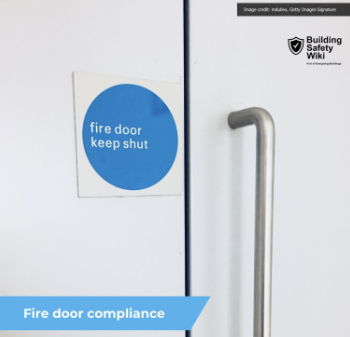
38% of Gen Zs feel safe when a fire door is wedged open.
Stunning images from around the world

Shortlist for CIOB’s Art of Building photography competition.

Guidance for conversion of traditional pre-1919 stone buildings.
Industrial heritage in the Ruhr

A marked difference to the fate of industrial landscapes in the UK.
Comments